50 Ports Strike at Once: The Perfect Storm Pushing China Europe Air Freight Up
Just weeks ago, the market was gloomy on China→Europe air freight. Today that trade has
completely flipped. A single day — October 30 — could become the moment every Black Friday
shipper remembers.
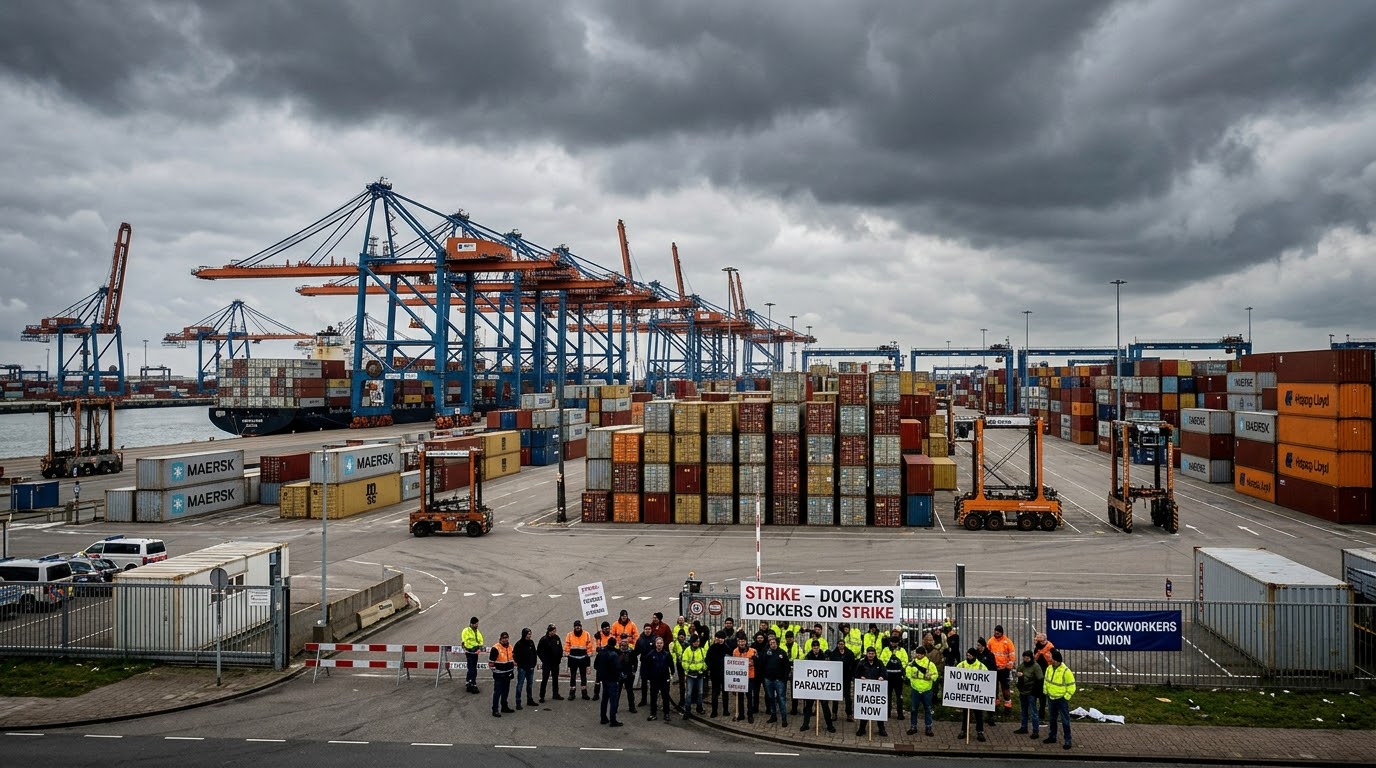
Here's the inside story most forwarders won't tell you: this is not a demand boom. It's something rarer and nastier — every alternative lane is breaking down at the same time, and time-critical cargo is being forced onto air freight with nowhere else to go.
Memorize this: on October 30, a coordinated strike across 10 European and Mediterranean countries, 11 dockers' unions, and more than 50 ports froze port operations. Combined with a US-air-freight price spike and the Black Friday deadline, three forces are colliding — and China→Europe air rates are already up 15%+ and climbing.
The Surprise: This Isn't a "Demand Boom" — It's a "Bottleneck Squeeze"
Analysts used to worry that European e-commerce parcel demand was weak. That story is now obsolete. The new logic is different and more powerful:
European ocean is blocked. Central Asia land routes are congested. China-Europe rail keeps slipping. Black Friday deadlines are immovable. When every alternative closes at once, the only remaining escape valve for high-value, time-critical cargo is the air freighter. That forced diversion — not a shopping surge — is what's lifting rates.
Force #1 — 50+ Ports Strike: Ocean Disruption Pushes Cargo Into the Air
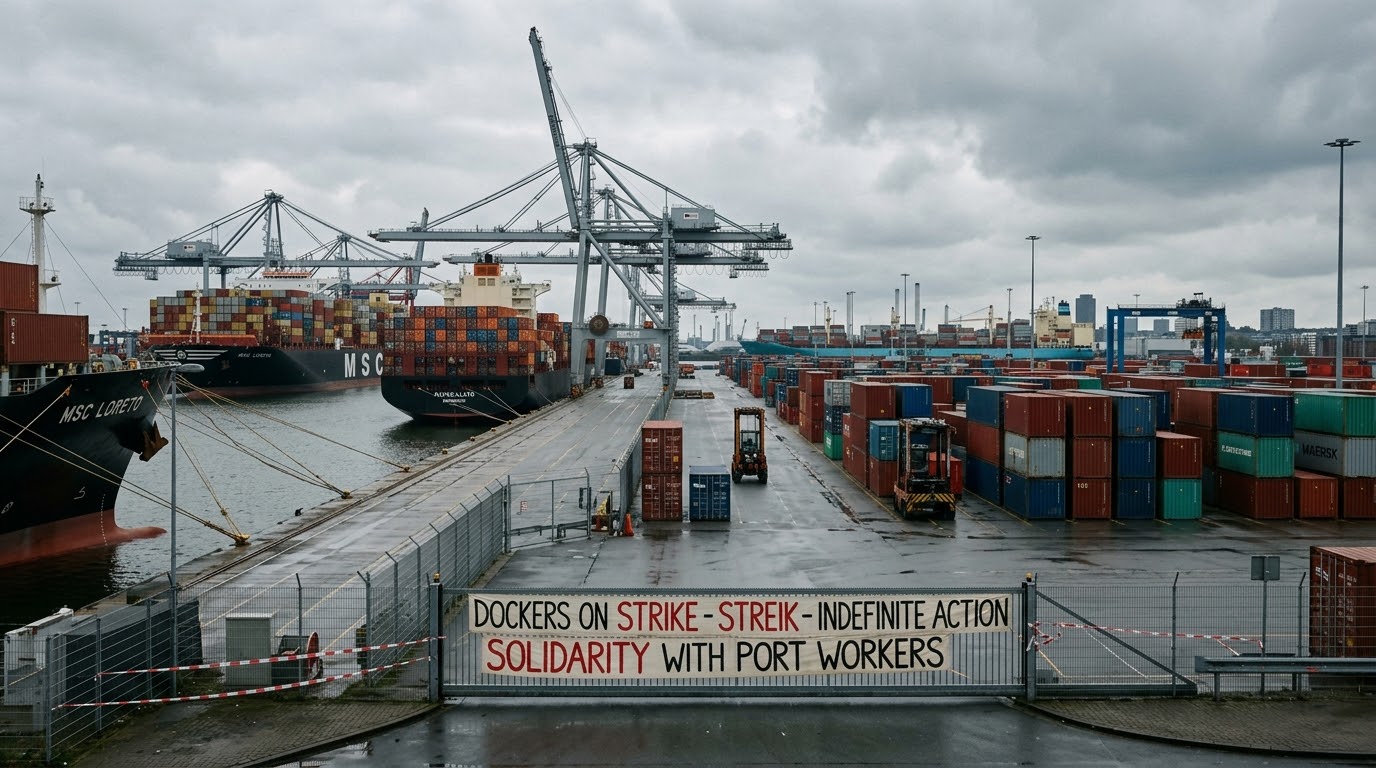
The international dockers' network Ports in Action has called coordinated industrial action. On October 30, dockers across 10 countries and 11 unions walked out at more than 50 ports across Europe and the Mediterranean.
What that means on the ground: ships wait longer to berth, discharged containers back up, and truck pickup is delayed. The entire Mediterranean–Europe ocean chain loses its schedule. For Black Friday and Christmas stock that must hit the warehouse by a fixed date, a blocked port is a hard stop — so exporters proactively split their urgent orders and switch them to air. That single decision directly pulls demand onto freighters.
Force #2 — US Air Already Jumped; Europe Is Following (Up 15%+)
Trans-Pacific air freight is the weather vane of the whole industry. This peak season, it moved first: freighter capacity tightened and spot rates climbed.
Here's the part most shippers miss: the global freighter fleet is one shared pool. Airlines don't run fixed lanes — they chase yield. Once US rates rise, carriers pull spot space off the Europe market and lift their quotes there too. That's why China→Europe air has already printed a 15%+ increase, with the upward channel only just opening.
The chain reaction: US air spikes → airlines reallocate capacity to the highest yield → Europe spot space tightens → Europe quotes rise. If you ship China→USA by air, you are already on the leading edge of this same squeeze.
Force #3 — Black Friday Sprint: Land Alternatives Have a Natural Ceiling
When ocean fails, shippers look overland. But the land bridge has its own wall:
- Central Asia cross-border trucking routinely jams at the border; peak-season inspections and queues can last up to a month
- China-Europe rail has repeatedly suffered long delays in past peak seasons
For high-value, schedule-rigid Black Friday stock, an unpredictable land route can't guarantee the warehouse cut-off date. When land timing becomes unmanageable, shippers fall back to air as the safety net — and that rigid demand keeps releasing week after week.
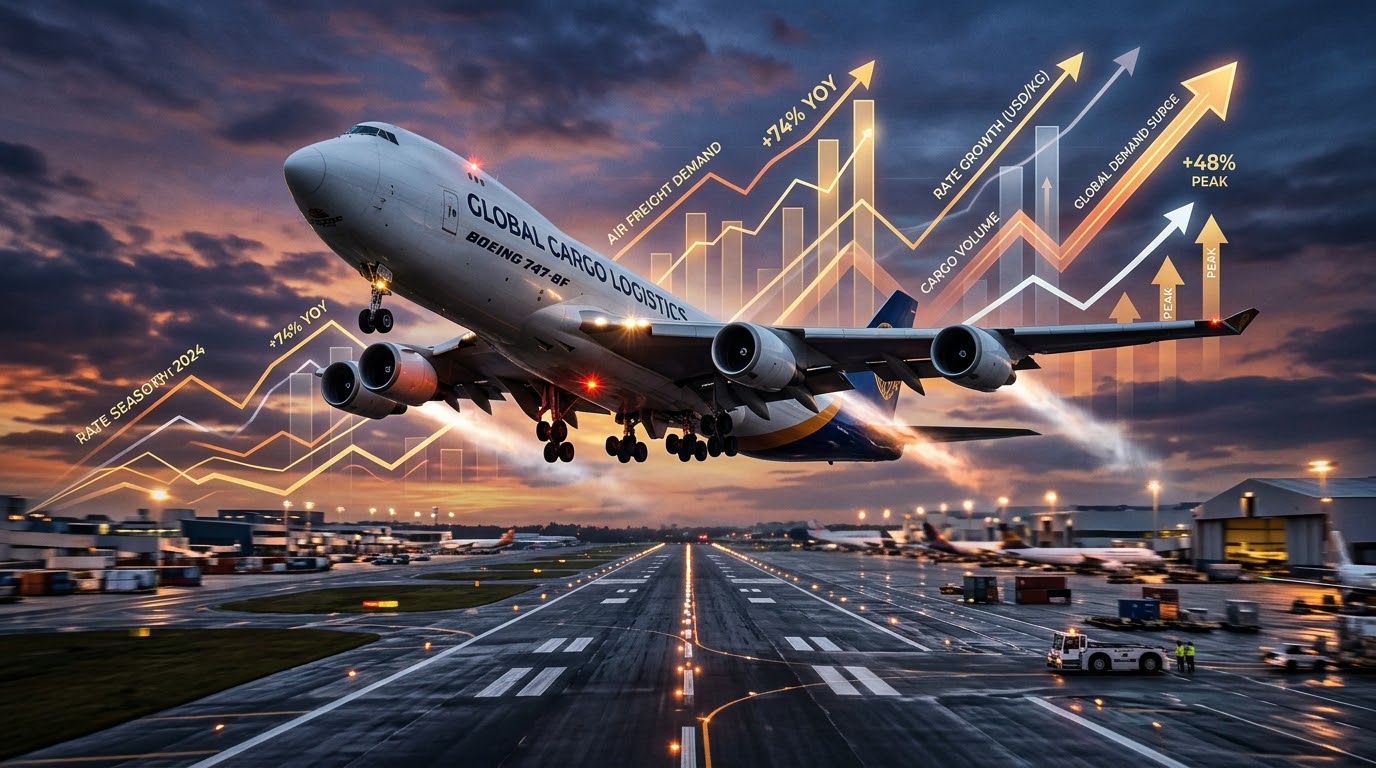
The Three Forces at a Glance
| Force | Trigger | Effect on Air Freight |
|---|---|---|
| Port strike | Oct 30: 10 countries, 11 unions, 50+ ports | Ocean delays → urgent cargo diverts to air |
| US air spike | Trans-Pacific freighter capacity tightens | Europe spot rates already up 15%+ |
| Black Friday deadline | Trucking queues up to 1 month; rail delays | Time-critical cargo forced onto air as backup |
Strike scope and rate movement per industry sources; actual spot rates depend on origin, commodity, and booking date.
What This Means for Your Q4 Booking
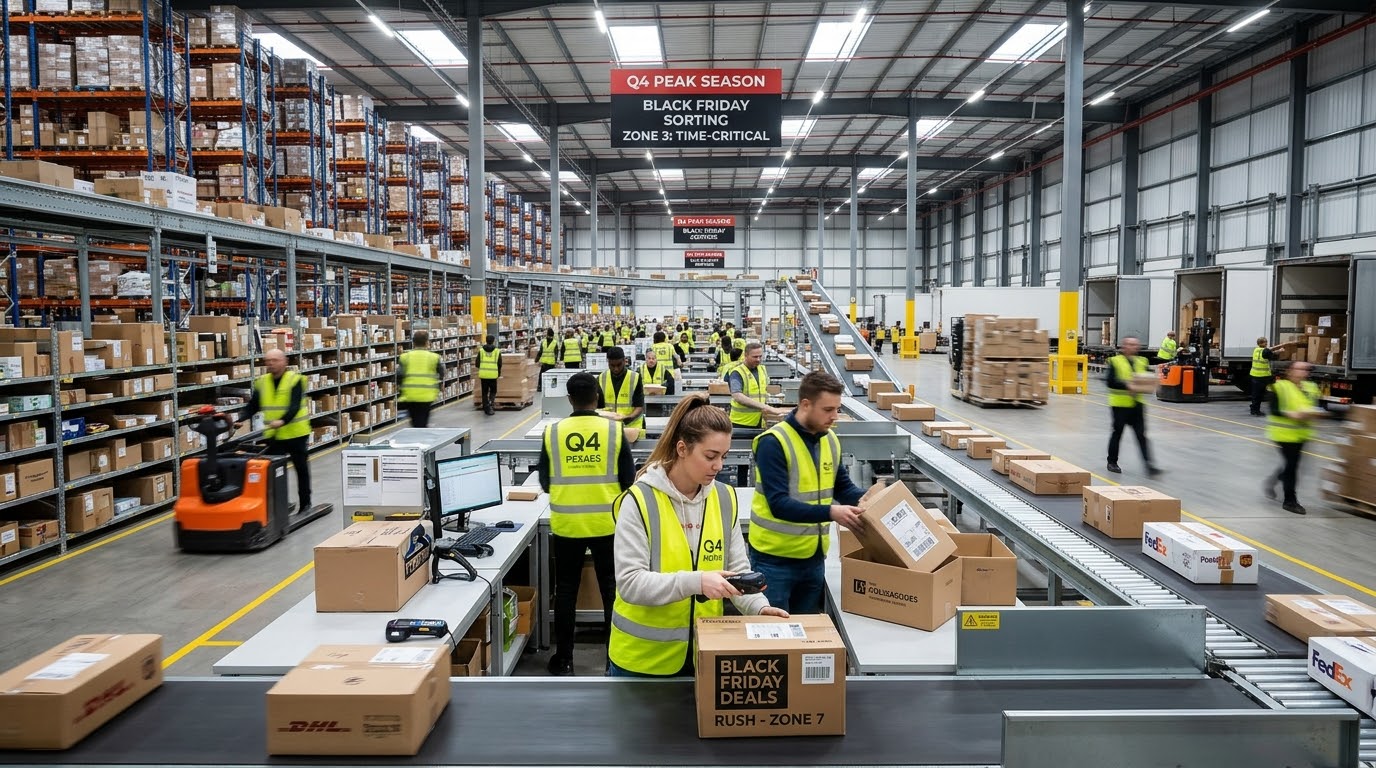
The market has flipped from "cautious wait-and-see" to "peak-season bargaining window." Watch one thing closely: whether the October 30 strike triggers lasting, cascading port congestion. That will decide how much ocean cargo permanently migrates to air.
- Black Friday / Christmas stock with a hard warehouse cut-off → lock air space now, don't wait for the strike to fully bite
- High-value, low-bulk goods → air is already the rational choice; the strike only strengthens it
- Bulk, low-margin cargo → ocean may still be cheaper, but build in a buffer for port delays
- China→USA air shippers → you are the leading lane; capacity here tightens first and hardest
FAQ: Q4 Air Freight After the European Port Strike
What is happening on October 30?
Dockers across 10 European and Mediterranean countries, organized by 11 unions under the Ports
in Action network, are striking at more than 50 ports, temporarily halting loading and
discharge.
Why does a European port strike affect air freight from China?
When ocean berths and discharge back up, time-critical Black Friday cargo can't wait. Exporters
split urgent orders and switch them to air, pulling demand onto freighters at exactly the moment
capacity is already tight.
How much have air rates already moved?
China→Europe air spot rates have already risen more than 15%, led by the earlier trans-Pacific
(US) air spike, as airlines reallocate freighter capacity toward higher-yield lanes.
Can't I just use Central Asia trucking or China-Europe rail instead?
In peak season, border inspections and queues can last up to a month, and rail has a history of
long delays. For cargo with a fixed Black Friday warehouse deadline, land routes are too
unpredictable to rely on as the sole option.
Is this a demand boom or a supply squeeze?
It is a supply squeeze. European e-commerce parcel volumes are not surging; instead, ocean,
trucking and rail alternatives are all degrading at once, forcing time-critical cargo onto air
freight.
Peak Season Is Here — Don't Fly Blind
When ocean strikes, trucking jams and Black Friday deadlines collide, air space disappears fast. At STU Supply Chain we monitor freighter capacity and spot rates daily — so you know whether to book air now, wait, or split your shipment. Check our China→USA air freight service or send your cargo details for a same-day routing and rate check.
Air Freight from China to the USA →Daily freighter capacity • Black Friday & Christmas rush • Same-day quote
Shipping time-critical cargo this Q4? Drop your origin, destination, commodity and deadline in the comments — I'll tell you whether air, ocean or a split shipment actually fits your cut-off.


Comments
Post a Comment