The $30B China-U.S. Tariff Truce: What It Means for Your Next PO and What It Doesn't
The geopolitical landscape of global trade shifted slightly following the high-profile summit between U.S. President Donald Trump and Chinese President Xi Jinping. At the center of the latest diplomatic milestone is a framework for reciprocal tariff cuts covering $30 billion of non-sensitive goods in each direction, coupled with an extension of the broader trade truce through January 10, 2027.
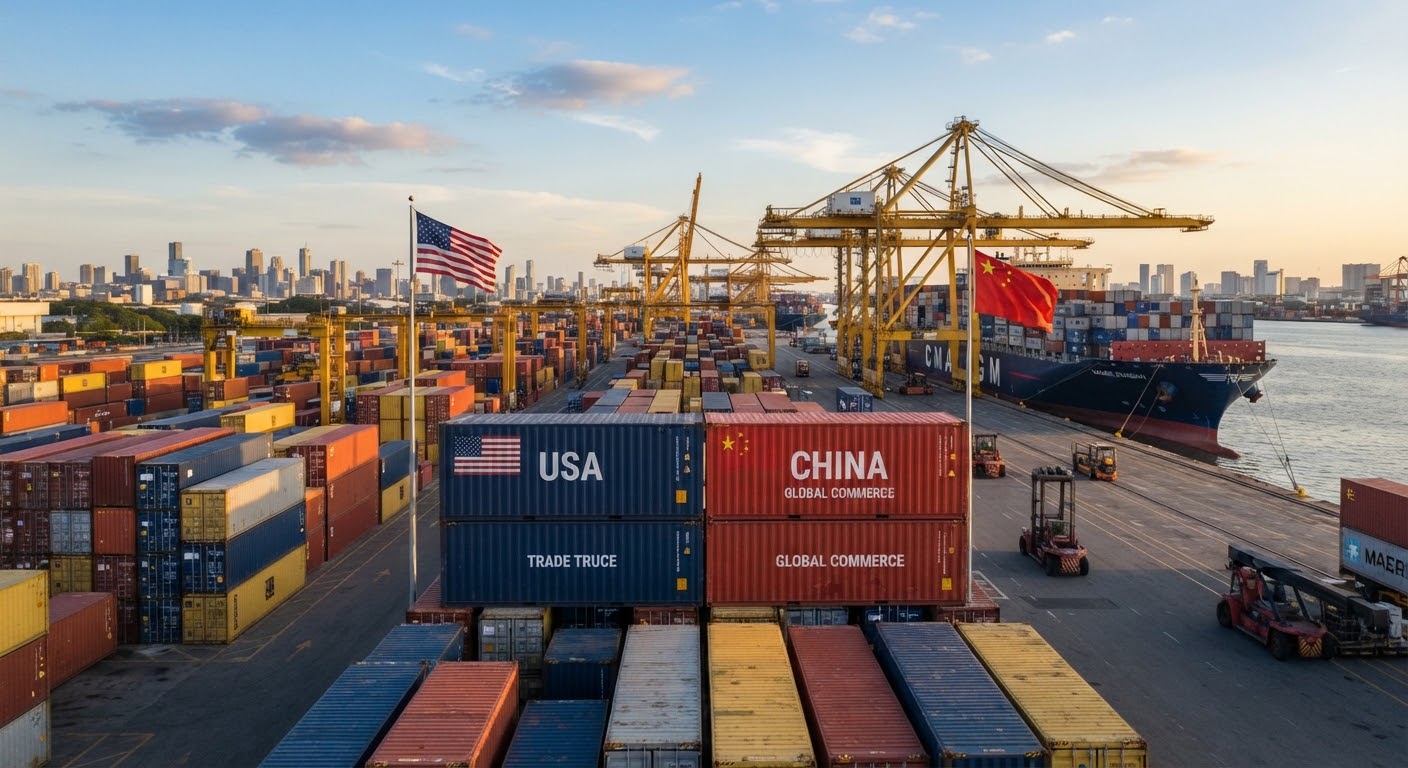
For supply chain leaders, procurement managers, and importers juggling multiple Purchase Orders (POs) out of China, headlines about a "tariff truce" sound like an invitation to exhale. But before you rush to rewrite your landed cost models or greenlight large-scale inventory rollouts for Q4 and Q1, it is critical to look past the macro numbers and examine the granular mechanics.
What does the $30 billion tariff deal actually cover? More importantly, what does it not fix? Let’s break down the implications for your next PO.
1. What Was Actually Agreed: The $30B Framework
The $30 billion reciprocal reduction is a targeted, product-specific mechanism rather than a sweeping reset of the U.S.–China tariff architecture.
• The Scope: The agreement targets balanced volumes of non-sensitive merchandise. For U.S. importers, matched U.S. exports include agricultural goods, seafood, wood products, cosmetics, and certain medical devices. Conversely, targeted U.S. imports from China focus on specific consumer and light-industrial products—such as small appliances, toys, holiday decorations, and child safety seats.
• The Scale: Total annual two-way trade between the U.S. and China hovers around $585 billion. A $30 billion slice accounts for roughly 5% of total trade volume.
• The Timeline Extension: Treasury Secretary Scott Bessent confirmed that the current trade truce conditions—initially slated to expire in November—have been extended to January 10, 2027, granting negotiators additional breathing room to hammer out structural details.
2. What It Means for Your Next PO (The Upside)
If your product lines fall squarely within the designated "non-sensitive consumer goods" or matched bilateral categories, this truce delivers tangible operational benefits:
• Short-Term Cost Relief: Landed cost calculations for qualifying SKU categories will see downward pressure once the specific 8-digit Harmonized Tariff Schedule (HTS) codes are officially implemented.
• Reduced Volatility Window: With the truce extended into early 2027, you face a lower risk of sudden, punitive midnight tariff spikes over the upcoming peak shipping seasons. This stability allows for more predictable ocean freight booking and container space planning.
• Cash Flow Confidence: Combined with previous historic developments (such as ongoing legal and administrative adjustments in customs refunds), importers can structure their supplier contracts with slightly higher visibility on duty expenditures.
3. What It Doesn't Mean (The Critical Realities)
Optimism must be balanced with caution. Misinterpreting the scope of this agreement can lead to costly procurement mistakes.
• It Is NOT a Blanket Tariff Rollback: If your supply chain involves electronics, semiconductors, advanced tech, AI components, critical minerals, or heavy industrial materials, they are entirely excluded from the $30 billion reduction framework. Section 301 tariffs on strategic and industrial goods remain firmly in place.
• The Baseline Remains High: Even with targeted reductions on 5% of total trade, the vast majority of historical trade war tariffs remain untouched. Do not assume your average overall tariff burden has vanished.
• Conditional Enforcement & Compliance Risks: U.S. trade officials have emphasized that compliance and structural metrics (such as agricultural purchase milestones and enforcement mechanisms) are under active review. If bilateral talks stall or compliance lags, the administration retains leverage to pivot back toward stricter enforcement.
4. Actionable Steps for Procurement & Logistics Managers
To protect your margins and optimize your supply chain in light of the latest developments, consider implementing these four strategies right now:
1. Audit Your HTS Codes Immediately: Do not guess whether your goods qualify. Work closely with your licensed customs broker to review your exact 8-digit HTS codes against the USTR's targeted product schedules.
2. Re-run Landed Cost Models for Q4/Q1 POs: Separate your SKUs into "qualifying truce items" versus "excluded strategic items." Price your products accurately based on realistic duty rates rather than generalized market optimism.
3. Maintain Diversification and Flexibility: A truce is, by definition, a temporary suspension of hostilities rather than a permanent peace treaty. Keep your multi-sourcing options (such as Southeast Near-shoring or dual- sourcing strategies) active to hedge against future political shifts.
4. Partner with an Experienced NVOCC: Navigating shifting customs compliance, evolving tariff sub-headings, and fluctuating shipping schedules requires real-time expertise.
Optimize Your Supply Chain with STU Supply Chain
At STU Supply Chain, we monitor regulatory updates, customs declarations, and global trade policies around the clock so your cargo keeps moving smoothly. Whether you need strategic guidance on your next Purchase Order or reliable end-to-end NVOCC logistics solutions, our team is ready to help.
• Email us at: sales@stusupplychain.com
• Call us at: (+86) 0755-89205789
• Visit: stusupplychain.com
Have questions about how the latest tariff adjustments affect your specific product categories? Drop a comment below or reach out to our trade advisory desk today.


Comments
Post a Comment