Shipping Industry Sounds Alarm: Mandatory Hormuz Strait Transit Fees Could Disrupt Global Trade
Global shipping groups are urging the United Nations (UN) and the International Maritime Organization (IMO) to reject any plans to impose mandatory transit fees for vessels passing through the Strait of Hormuz. Industry leaders warn such charges would undermine the framework of international maritime law, disrupt worldwide trade, and set a dangerous precedent for all other vital global sea lanes.
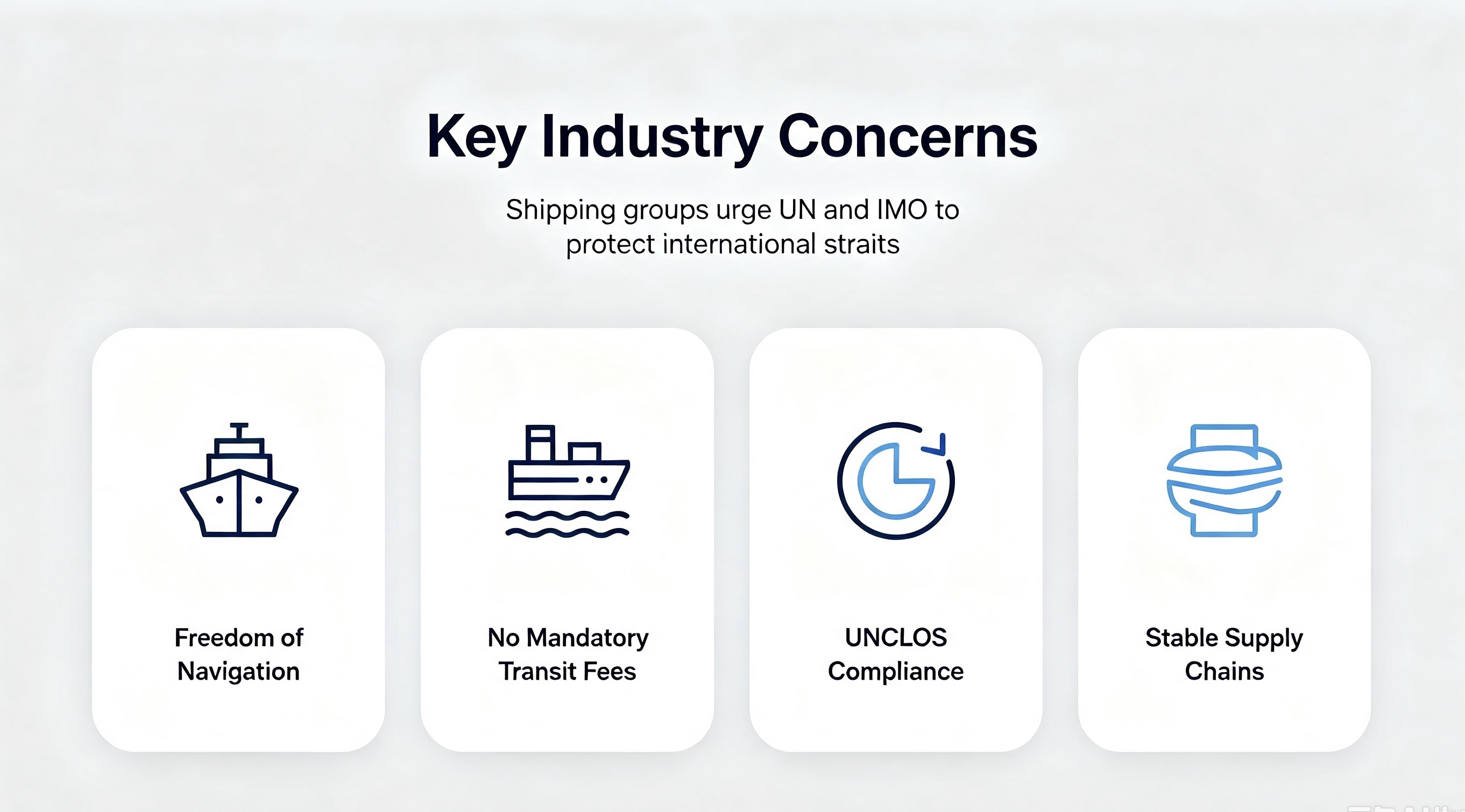
Eight leading international shipping associations, namely the Asian Shipowners’ Association (ASA), Baltic and International Maritime Council (BIMCO), Cruise Lines International Association (CLIA), European Community Shipowners’ Associations (ECSA), International Chamber of Shipping (ICS), International Association of Dry Cargo Shipowners (INTERCARGO), International Association of Independent Tanker Owners (INTERTANKO), and World Shipping Council (WSC), recently co-sent an open letter to UN Secretary-General António Guterres and IMO Secretary-General Arsenio Dominguez. The letter calls for upholding the principle of freedom of navigation for international straits and preventing sea passage rights from being leveraged as bargaining chips in regional negotiations.
Market reports confirm Iran and Oman are negotiating a new governance framework for the Strait of Hormuz, covering vessel traffic supervision and maritime activity monitoring. Discussions also touch on potential transit levies. Though final arrangements remain unconfirmed, the global shipping sector stands united against any mandatory charging mechanism.
The joint letter states: “Imposing mandatory transit fees for passage through the Strait of Hormuz, or equivalent disguised charges labelled as service fees, would mark a drastic break from long-standing global shipping practices.”
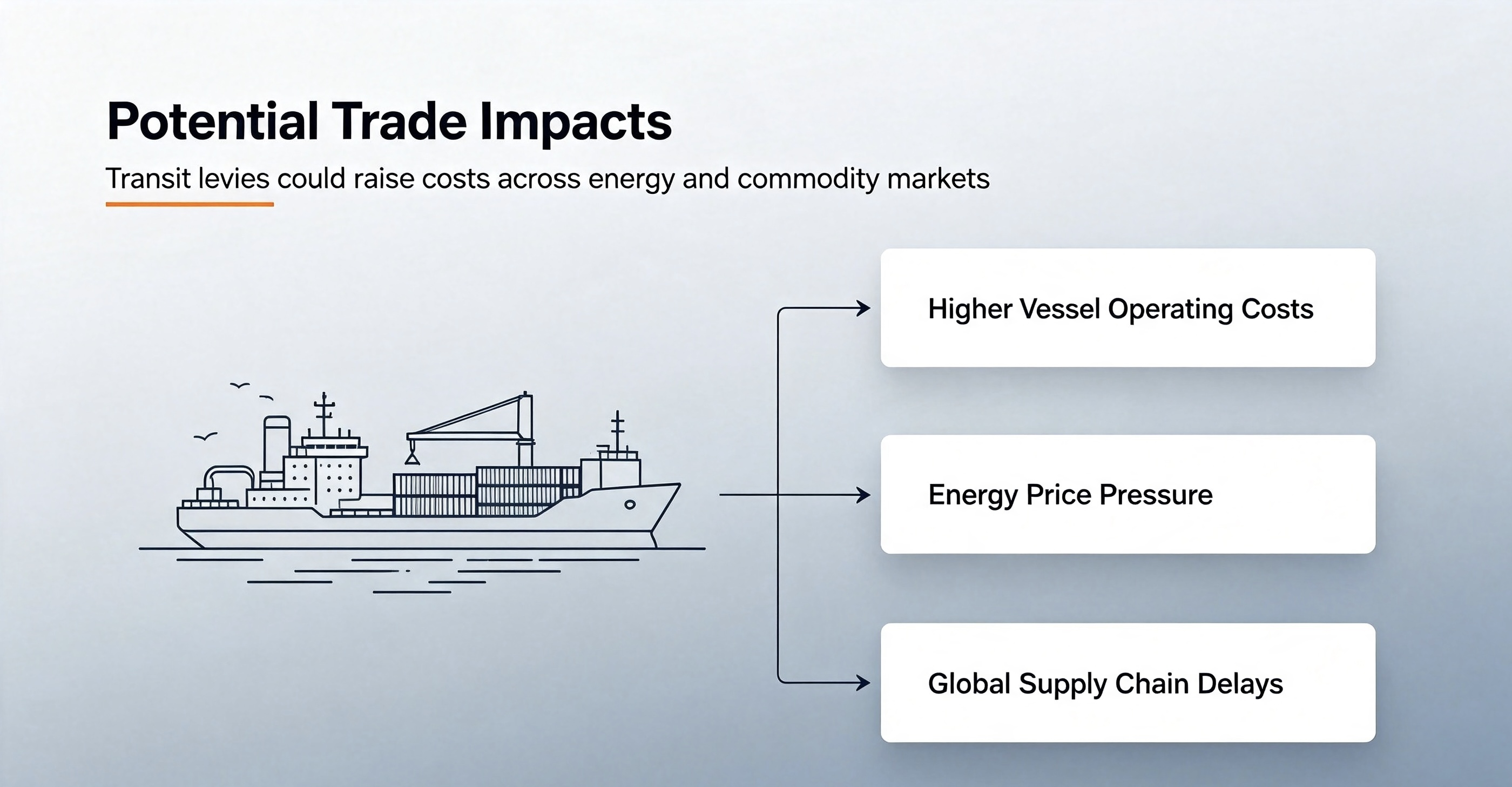
The Strait of Hormuz acts as one of the world’s most critical energy chokepoints, handling massive volumes of crude oil, liquefied natural gas and other energy commodities every year. Carriers fear transit fees would directly inflate vessel operating costs, push up supply chain expenses worldwide, drive higher energy prices, worsen inflation, and amplify global economic volatility.
The industry’s outcry stems from the US-Iran Memorandum of Understanding signed in June 2026, which mandates Iran and Oman to consult on Hormuz governance and maritime services. The vague wording of the deal leaves unresolved questions over vessel traffic control, mandatory reporting rules and potential transit charges, sparking widespread anxiety among ship operators.
Shipping bodies stress any new regulatory regime must preserve unimpeded freedom of navigation in the strait and maintain the longstanding rule of zero transit fees for international straits enshrined in the UN Convention on the Law of the Sea (UNCLOS).
The ripple effects of mandatory levies will stretch far beyond the maritime sector. As a hub linking major global energy markets, any added cost will ultimately be passed on to end consumers, posing severe risks to global energy security and economic stability.
“Safe, predictable and unobstructed passage of merchant ships through international waterways forms the foundation of supply chain resilience, economic stability and energy security,” the open letter reads. Industry groups further caution that a fee system at Hormuz would encourage copycat charges across other strategic waterways, eroding the core principle of free global shipping.
The letter also highlights mounting safety risks for seafarers amid persistent regional conflicts. Since tensions escalated, mariners have operated under constant uncertainty, with many sustaining injuries or losing their lives while carrying out vital trade missions. The industry argues the safety of seafarers, who keep global commerce running, must never be traded away during diplomatic talks.
Back in May this year, BIMCO, ICS, INTERTANKO, the Oil Companies International Marine Forum (OCIMF), INTERCARGO and the International Marine Contractors Association (IMCA) jointly released operational guidelines for vessels navigating Hormuz amid conflict. The document flags key hazards including missile strikes, electronic warfare, GNSS jamming, AIS spoofing, naval mines and channel congestion. It additionally warns diverting from established traffic separation schemes to alternative routes carries extra navigation risks, as surrounding waters are not designed for large-scale two-way commercial shipping.
Unlike the May guidelines focused on vessel safety protocols, the latest joint letter shifts focus to safeguarding international maritime legal frameworks and governance rules for critical sea lanes.
As early as April, an IMO spokesperson commented that charging transit fees for strait traffic would “create a dangerous precedent”, noting no existing international treaty authorises such levies on vessels transiting international straits.
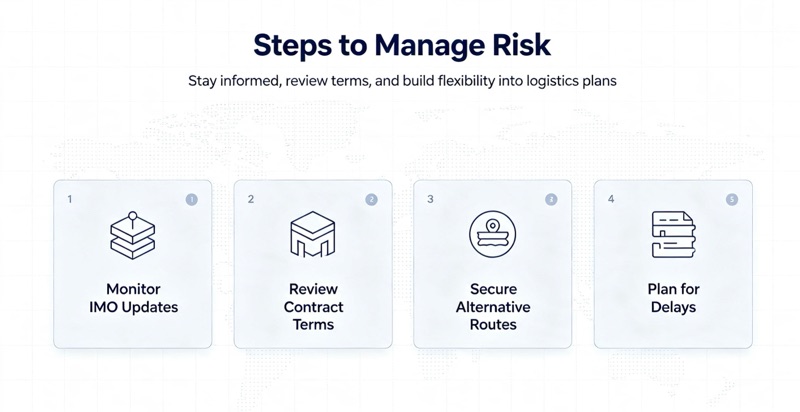
The eight shipping associations concluded their letter by committing to collaborate closely with the IMO and the broader UN system. Their shared goal is to protect longstanding legal principles governing international straits under international law, particularly UNCLOS, and prevent these foundational maritime rules from being weakened or rewritten.


Comments
Post a Comment