Restructuring of the World’s Three Major Shipping Alliances: Why Maersk and Hapag-Lloyd Took a Different Path
In February 2025, Maersk and Hapag-Lloyd officially launched the Gemini Cooperation.
This partnership has not increased the total number of global liner shipping alliances, yet it has overhauled the operational logic that has long governed alliance collaboration.

Traditionally, shipping alliances center on vessel sharing and route coordination. By pooling capacity and container slots, member carriers boost fleet utilization and expand global service coverage.
Gemini, by contrast, extends integration deeper into end-to-end logistics networks. It unifies planning for deep-sea trunk lines, regional feeder services and barge transport systems, linking disparate regional markets via central hub ports. Industry observers are closely monitoring whether this new model can deliver more reliable sailing schedules.
1. Post-2M Era: The Restructured Global Alliance Landscape
The birth of Gemini stems from a sweeping reshuffle of the worldwide container shipping alliance system.
Maersk and MSC previously operated the 2M Alliance for nearly a decade, ranking as the world’s most influential shipping partnership.
In 2023, Maersk and MSC confirmed they would not renew the 2M agreement, with the alliance formally dissolved in 2025.
Following the split, MSC opted to operate independently. Boasting the globe’s largest container fleet, MSC possesses the scale to run a self-sufficient worldwide service network.
Maersk pivoted to a strategic partnership with Hapag-Lloyd to build the integrated Gemini network.
Meanwhile, Hapag-Lloyd exited the THE Alliance. Remaining THE Alliance members HMM, ONE and Yang Ming Marine Transport later formed the Premier Alliance.
The global liner market now operates under three distinct competitive blocs:
1. Gemini Cooperation: Maersk, Hapag-Lloyd
2. Ocean Alliance: COSCO Shipping, CMA CGM, OOCL, Evergreen
3. Premier Alliance: HMM, ONE, Yang Ming Marine Transport
Data from Dynamar’s DynaLiners Trades Review 2026 for H1 2026 outlines each alliance’s capacity scale:
• Gemini Cooperation: 275 deployed vessels, total capacity of 3.5 million TEU
• Ocean Alliance: 350 deployed vessels, total capacity of 5 million TEU
• Premier Alliance: 220 deployed vessels, total capacity of 2.75 million TEU
While Gemini does not command the largest fleet capacity, its operational framework stands out sharply from conventional shipping alliances.
2. Core Innovation of Gemini: Prioritizing Hub & Regional Network Connectivity
Legacy shipping alliances revolve around long-haul deep-sea trunk lanes. Members align sailing schedules and share container space to unlock economies of scale on core trade routes such as Asia-Europe and Trans-Pacific lanes.
Gemini’s defining feature is its elevated focus on regional inland and feeder logistics networks.
Per Dynamar analysis, Gemini complements its major ocean trade lanes with dedicated regional shuttle and feeder services, streamlining cargo distribution through key hub ports.
In simple terms:
• Deep-sea trunk vessels connect major global trade blocs;
• Central hub ports consolidate and split inbound/outbound cargo volumes;
• Short-sea regional feeders complete last-mile intermodal distribution.
This hub-and-spoke architecture is widely adopted in the aviation industry, yet it represents an innovative experiment within container shipping alliances.
3. Maersk’s Strategic Rationale for the Gemini Model
Maersk has aggressively pursued an integrated logistics transformation in recent years, shifting its identity from a pure ocean carrier to a full-spectrum supply chain enterprise covering ocean freight, warehousing, and end-to-end supply chain management.
Against this strategic backdrop, the Gemini Cooperation is far more than a routine alliance reshuffle—it reflects Maersk’s long-term vision for future global logistics network operations.
By reducing port call frequency at secondary terminals and concentrating resources on core hub nodes, the model theoretically streamlines schedule control and reliability.
Additionally, tighter cross-partner collaboration enables faster alignment on route adjustments and capacity allocation.
That said, this integrated framework demands far higher end-to-end operational proficiency from both carriers.
4. Unproven Performance: Can Hub Networks Deliver Superior Service Reliability?
The biggest challenge facing Gemini’s hub-centric model is network resilience amid global supply chain disruptions.
The shipping industry has faced constant external headwinds in recent years: Red Sea transit diversions forcing vessels to detour around the Cape of Good Hope, persistent port congestion disrupting global sailing schedules, and shifting trade policies rewriting supply chain footprints.
While core hub ports grow more critical amid such volatility, the network also becomes over-reliant on these key transfer terminals. Congestion or operational breakdown at a single major hub risks cascading delays across the entire service network.
Gemini’s ultimate market performance will hinge on three pillars: hub port operational efficiency, seamless feeder-trunk intermodal coordination, and agile contingency planning for unforeseen global disruptions.
5. Hapag-Lloyd’s Motivations for Joining Gemini: A New Growth Blueprint
For Hapag-Lloyd, exiting the THE Alliance to partner with Maersk under Gemini marks a landmark strategic pivot.
After years of collaborative operation within THE Alliance, Hapag-Lloyd elected to pursue deeper cross-carrier network integration.
Rising market consolidation poses a universal challenge for mid-sized liner carriers: how to boost global service competitiveness amid shrinking industry market share.
Gemini delivers an alternative pathway: ultra-close strategic alignment with a core partner to elevate worldwide logistics coverage and service quality.
The competitive dynamics of container shipping are undergoing fundamental shifts. While fleet scale remains relevant, shippers and freight forwarders now prioritize service stability and predictable supply chain lead times above all else.
• MSC leverages unmatched vessel capacity for independent global operations
• Ocean Alliance expands comprehensive geographic coverage
• Gemini pioneers integrated network optimization to raise operational efficiency
The superior business model will ultimately be validated by real-world market results.
Freight forwarders and global trading enterprises will gradually feel the ripple effects of this alliance restructuring, including revised route options, varying transit reliability, and restructured regional cargo transshipment workflows.
The Gemini Cooperation signifies far more than a simple swap of shipping alliance partners—it is a landmark industry trial for liner carriers reimagining next-generation global logistics network operations. Whether this hub-and-spoke integration model gains widespread industry adoption will depend entirely on its real-world operational track record over the coming years.
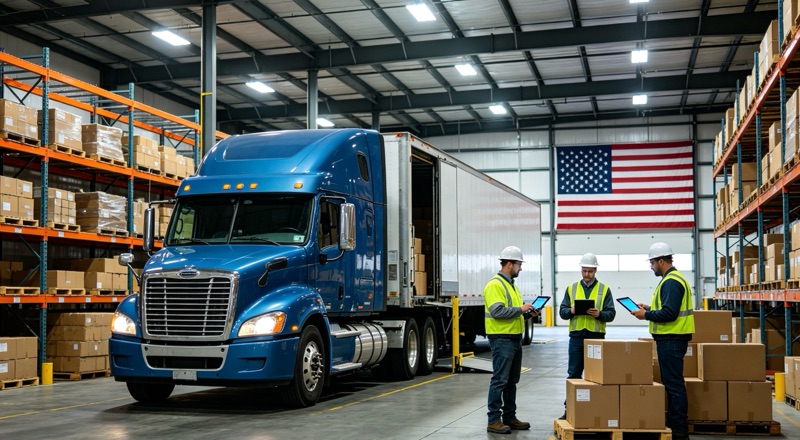
STU acts as a core authorized agent for both Maersk and Hapag-Lloyd, offering professional shipping space booking and ocean freight services. Feel free to visit our official website for more details: www.stusupplychain.com


Comments
Post a Comment