Hapag‑Lloyd & ZIM Roll out New AS3 Asia‑East South America Shipping Service: Reliable China‑Brazil Weekly Ocean Freight Route
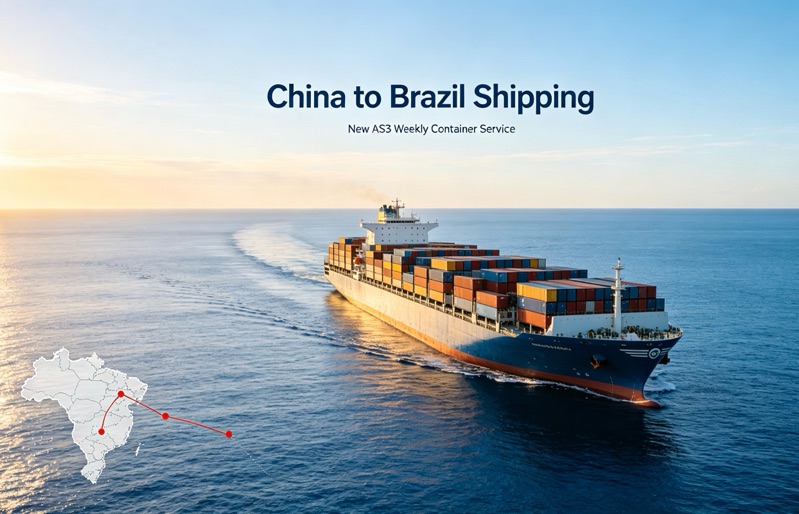
As bilateral trade between China and Brazil keeps expanding year over year, shippers, freight forwarders and logistics operators are seeking more dependable container shipping solutions for east‑coast Brazil cargo movements. Hapag‑Lloyd has recently announced its cooperation with ZIM Integrated Shipping Services to launch the brand‑new AS3 Asia‑East South America liner service, a weekly ocean freight route designed to boost maritime connectivity between major Chinese hubs and multiple gateways along Brazil’s eastern seaboard. Scheduled for official launch on September 13, 2026, this new China‑Brazil shipping lane brings extra capacity and flexible routing choices for businesses handling sea freight from China to Brazil.
Port Rotation of the AS3 China‑Brazil Shipping Route
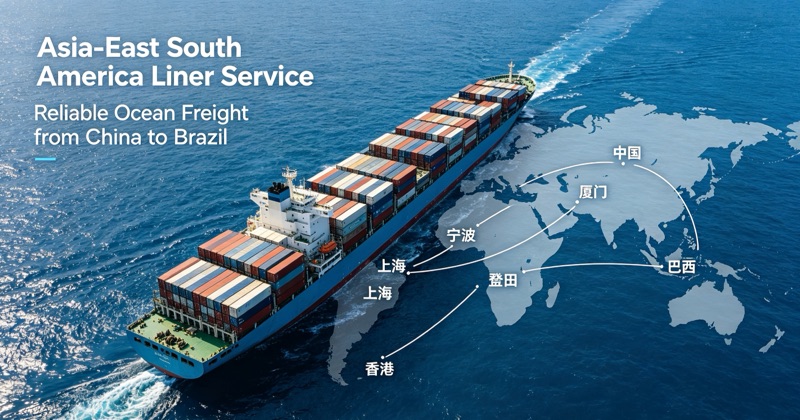
The AS3 container shipping service covers five core container ports in China, giving exporters diversified loading selections for their shipments bound for Brazil. The Chinese port list includes Shanghai, Ningbo, Xiamen, Hong Kong and Yantian. Shippers can pick the most suitable load port according to their warehouse locations, cargo sources and inland transportation arrangements.
Heading south toward South America, the service calls at key east‑coast Brazilian ports: Rio Grande, Paranaguá, Itajaí, Santos and Rio de Janeiro.
The complete port sequence for AS3 is shown below:
Shanghai — Ningbo — Xiamen — Hong Kong — Yantian — Rio Grande — Paranaguá — Itajaí — Santos — Rio de Janeiro
The west‑bound maiden voyage will depart Shanghai on September 14, 2026. The first east‑bound sailing is planned to leave Rio Grande on October 21, 2026. The fixed‑weekly schedule stabilises transit arrangements for China Brazil sea freight and removes uncertainties for long‑term supply‑chain planning.
Core Benefits of the New Hapag‑Lloyd ZIM New Route for Freight Forwarders & Exporters
This weekly container service to Brazil delivers three major advantages for businesses engaged in Asia‑South America ocean trade.
First, it expands departure options on the China side. Instead of relying on limited load ports for shipments heading to Brazil, cargo owners can distribute consignments across Shanghai, Ningbo, Xiamen, Hong Kong and Yantian, optimising pre‑carriage costs and shortening inland haulage distance.
Second, destination port coverage in Brazil has been significantly broadened. Apart from Santos, the traditional dominant hub for China to Brazil shipping, AS3 adds port calls at Rio de Janeiro, Itajaí and Paranaguá. Companies delivering goods to southern, southeastern Brazil can arrange discharge at nearby ports and slash last‑mile delivery expenses.
Third, the port of Rio Grande opens extended access to the Río de la Plata market. Cargo can be forwarded from Rio Grande to inland South American regions, widening the service scope beyond Brazil’s coastal cities for logistics providers arranging end‑to‑end ocean freight from China to Brazil and neighbouring zones.
AS3 Complements, Not Replaces, Existing Asia‑East South America Liner Service
It is worth emphasising that the AS3 route does not replace current sailing options for Asia‑East South America trades. Hapag‑Lloyd has confirmed that the well‑established AS2 and ASE liner services will remain fully operational after AS3 goes live.
By launching this supplementary China‑Brazil shipping lane, Hapag‑Lloyd and ZIM densify their Asia‑east South America shipping network. Expanded capacity coverage improves network resilience, lowering the risk of space shortages and schedule disruptions during peak shipping seasons for container shipping to Brazil. Freight forwarders can combine AS3, AS2 and ASE sailings to design mixed routing plans for clients with different lead‑time and budget requirements.
Logistics Tips for Exporters Shipping Cargo to Brazil
Growing China‑Brazil trade volumes have pushed major liner carriers to invest heavily in South America shipping lanes. The launch of AS3 enriches available sea freight choices for exporters, freight forwarders and logistics service providers handling China Brazil sea freight.
Enterprises planning exports to Brazil should keep track of vessel space availability, short‑term freight rate fluctuations and actual port‑call status after the AS3 service commences. You may adjust your long‑term ocean‑shipping strategy and take advantage of this new weekly container service to cut overall logistics costs and raise end‑to‑end supply‑chain efficiency.
Whether you move FCL or LCL cargo via ocean freight from China to Brazil, diversified liner options help you strike a balance between transit time and shipping cost amid volatile international shipping markets.


Comments
Post a Comment