Don’t Chase Rock-Bottom Rates Alone! 5 Critical Hidden Risks to Avoid for International Air Freight First Leg
Most freight forwarders and cross-border shippers encounter costly shipping disasters not due to expensive rates, but because they underestimate hidden risks in the first leg of air freight. Many sellers and industry peers only compare prices and transit times, overlooking channel compliance, customs inspection risks, clearance loopholes and compensation traps. Once risks materialize, consequences including cargo seizure, destruction, heavy fines, suspended store accounts, warehouse detention and airport storage fees all translate into substantial financial losses.
This article breaks down the five most frequent and fatal core risks of air freight first leg with hands-on logistics experience, a must-read before every shipment.
01 Intellectual Property Risk: The Strictest Red Line for Air Freight, Full Inspection Guaranteed
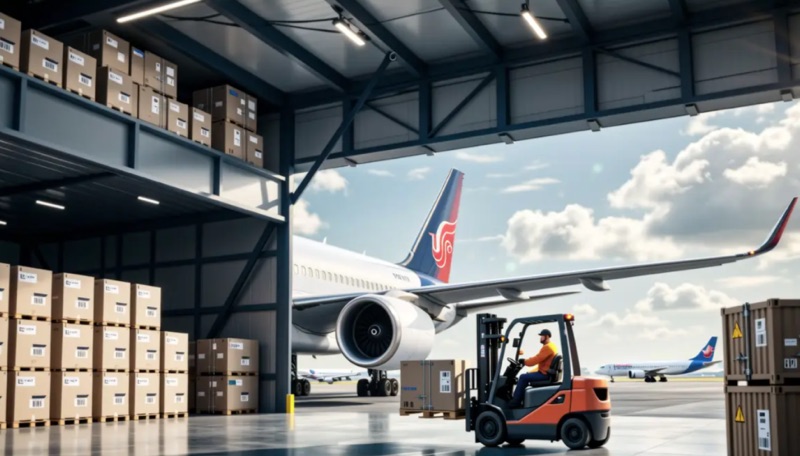
Air freight enforces the tightest customs screenings and harshest IP crackdowns among all logistics channels, without exception.
Cargo undergoes triple checks: airport security screening, export customs inspection and destination country customs audit. Shipments involving the following will trigger severe penalties:
• Counterfeit goods, high imitation products, goods with unauthorized logos
• Items with appearances similar to well-known brands or patent-infringing products
• Merchandise with infringing prints, patterns or accessories
There are only three potential outcomes:
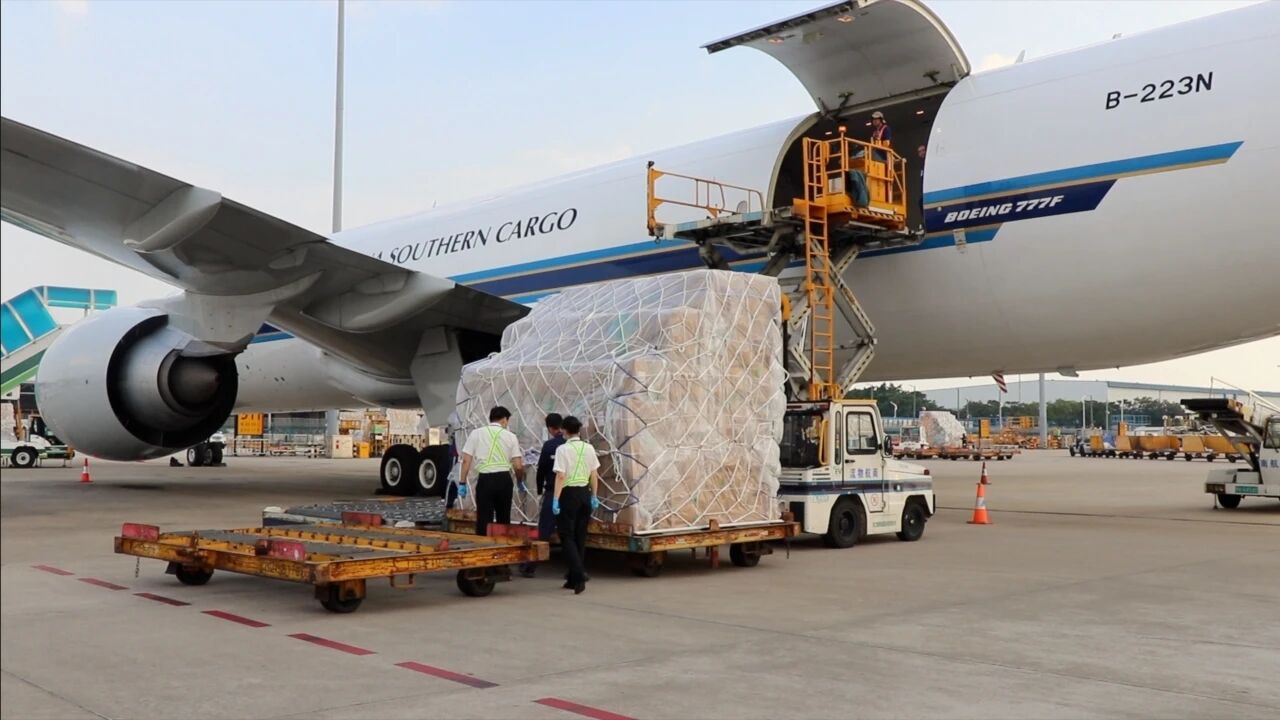
1. Goods are directly confiscated and destroyed with no option for return
2. Heavy administrative fines are issued (in some countries penalties reach 1–5 times the cargo value; EU fines for intentional IP violations can exceed 10 times product value)
3. The shipper entity is blacklisted by customs, subjecting all subsequent regular shipments to enhanced targeted inspections
An even worse scenario: Concealed counterfeit goods in shared pallets lead to full pallet detention, dragging down innocent shippers and generating massive airport storage and detention fees.
Industry Truth: Never gamble on counterfeit shipments via air freight. Low-cost counterfeit channels are ticking time bombs. Before shipment, cross-check databases for intellectual property registration in destination countries (such as USPTO for the US, EUIPO for Europe) to confirm no conflicting trademarks or design patents.
02 Clearance Model Risks: Huge Gaps Between DAP / DDP / LDP
Many shippers fail to distinguish the three clearance terms, resulting in tax disputes, failed last-mile delivery and e-commerce account risks.
DAP (Shipper Responsible for Import Duties & Taxes)
✅ Highest compliance and stability
❌ Risks: Cargo detention at airports due to incorrect documents, invalid tax IDs or uncooperative buyers during clearance
Standard DDP (Forwarder Pre-Pays Import Taxes on Behalf of Shipper)
✅ Standard solution for formal corporate trade shipments
❌ Risks: Volatile tax amounts and frequent disputes over supplementary tax payments
LDP Consolidated Tax Clearance (Popular for E-Commerce Parcels)
✅ No tax ID required, simple operation
❌ Biggest hidden hazard: Consolidated bulk clearance with weak compliance standards; mass cargo detention during customs crackdown cycles
Once destination tax authorities launch strict audits, entire batches of goods get seized with almost zero compensation eligibility, and sellers face linked e-commerce store penalties. In 2026, the EU scrapped the €150 import duty exemption threshold, while the US, Canada and other nations tightened import supervision, raising mandatory compliance standards.
Summary: Opt for DAP or formal DDP for long-term stable shipments; only consider consolidated tax LDP channels for small-volume sporadic parcels.
03 Hidden Costs from Inspections, Offloading & Transit Delays
Low-cost freight channels are prone to cargo offloading and space rollovers during peak air freight seasons and tight route capacity periods.
Most cheap quotations only cover basic air freight and exclude a wide range of incidental charges:
• Airport storage & detention fees
• Inspection handling fees & secondary security screening surcharges
• Rebooking & flight reallocation costs
Real Industry Reality: Every day cargo is held at the airport accumulates extra charges that can exceed the original air freight cost within a few days.
Additionally, air freight has dozens of miscellaneous surcharges including fuel surcharges, peak season surcharges, security surcharges, Terminal Handling Charges (THC), AMS filing fees ($30–50 per shipment), ENS filing fees (€20–40 per shipment), etc. During peak periods or on specific trade lanes, these extra fees can push total logistics costs up by over 10%.
Transshipment air freight carries further hidden risks: delays on feeder flights, slow handling at transit hubs and long queues for secondary security screenings, leading to collapsed transit timelines. Stockouts caused by such delays generate far greater losses than minor savings on freight rates.
Practical Tip: Request official airline booking confirmation before signing contracts, and add a written clause stating the forwarder shall bear all rebooking handling fees and freight differences if the carrier offloads your cargo without valid reason.
04 Cargo Loss & Damage Compensation Traps (90% of Shippers Fall Victim)
Airline default compensation standards offer extremely low payouts!
Airlines calculate compensation by total shipment weight, not actual cargo value. For high-value goods, premium products and electronics:
• Minimal compensation for full cargo loss
• Near-zero coverage for internal product damage
• Automatic claim rejection if outer packaging remains intact despite internal breakage
Many freight forwarders verbally promise "full compensation", but such commitments hold no legal weight without written clauses on shipping orders or valid cargo insurance policies.
Correct Standard Operating Procedure:
All high-value shipments must take out separate cargo insurance. Recommended insured value equals 110% of combined cargo value + first leg freight. Standard air cargo insurance rates range from 0.1% to 0.3% of cargo value; a $100,000 shipment only costs $100–$300 in premiums.
Pay close attention to deductible clauses: Most cargo insurance policies set a deductible (the higher of 3% of total loss or $500), meaning minor damage claims will not be approved. You may consult insurers to remove deductibles at an additional premium cost.
Mandatory Documents for Claims: Original insurance policy, air waybill, commercial invoice, packing list, photos & videos of damaged cargo on-site, official damage confirmation issued by logistics service providers.
05 Low-Cost Channel Scam Risks: All Verbal Promises Are Unenforceable
Common fraud tactics rampant in air freight industry:
• Guarantees of "100% customs clearance with no seizures"
• Absolute transit time commitments
• Full compensation for detained cargo
The Reality: Forwarders lure clients with ultra-low prices, yet lack stable airline space, resulting in offloading and delays. Once cargo faces inspections, they abandon after-sales support and cut contact.
Other unethical practices include misrepresentation of shipping modes: promising air freight while secretly moving goods via sea freight, or downgrading fast sea lanes to slow vessels. When shippers question delayed transit, they falsely blame customs inspections as an excuse. Some forwarders also manipulate dimensional weight calculations to overcharge clients with no recourse.
All verbal commitments without formal written contracts and binding clauses carry zero validity.
Clarify and formalize the following terms in written agreements before shipment:
1. Liability allocation for customs inspection consequences
2. Responsible party for airport detention & storage fees
3. Free rebooking policy for offloaded cargo
4. Clear compensation standards for lost or damaged goods
5. Full disclosure of all hidden surcharges (fuel, peak season, remote area surcharges, etc.)
Practical Forwarder Screening Guide:
1. Verify core credentials including NVOCC certification and AEO advanced customs accreditation
2. Confirm long-term cooperative partnerships with major airlines and stable peak-season space allocation
3. Test cooperation with small trial shipments first to evaluate transit speed, service quality and claim handling capacity before long-term partnerships
Final Industry Takeaway
For air freight first leg: Stability always beats low prices, compliance outweighs pure speed.
Cheap channels merely mask underlying risks that the shipper will ultimately pay for. Professional air freight logistics is never about competing on rock-bottom rates — it focuses on risk prevention, risk control and comprehensive risk coverage.
Wish all forwarders and foreign trade shippers stable, efficient, smooth shipments free of costly incidents every time.
If you export high-value electronics, AI hardware, semiconductors, cross-border e-commerce parcels or general manufacturing goods via international air freight and want to steer clear of all the above hidden logistics risks, STU Supply Chain is your trusted one-stop global supply chain partner.
We provide fully compliant air freight solutions covering formal DAP/DDP clearance, dedicated high-value cargo protective packaging, stable year-round airline space, full cargo insurance support and transparent contracts with zero hidden surcharges. Our professional logistics team mitigates IP, customs, delay and compensation risks for every shipment, with dedicated after-sales support throughout the whole transit cycle.
For reliable, risk-controlled international air freight services tailored to your business, send all your air shipment inquiries to STU Supply Chain now — visit our official website www.stusupplychain.com to submit your cargo details and get a customized quotation instantly.


Comments
Post a Comment