🚀 September 2026 Transpacific Ocean Freight Advisory: Rates to Remain Elevated Amid Supply Tightening
Upcoming September! US-Bound Freight Rates Highly Likely to Remain High and Resistant to Drops
The Transpacific container shipping market in 2026 is experiencing an unprecedented phenomenon: a sharp decoupling between skyrocketing spot freight rates and moderate baseline demand.
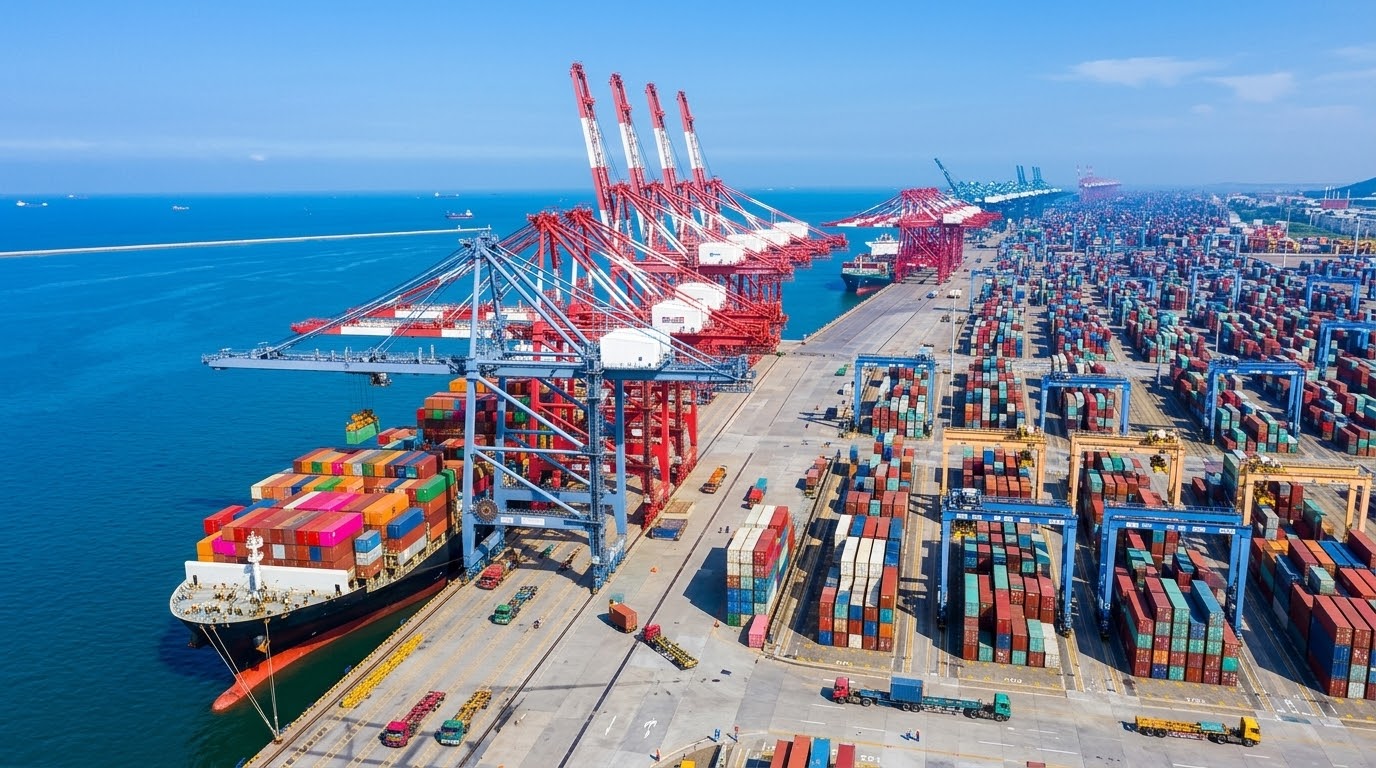
As we enter the traditional Q3 peak shipping season, US-bound cargo volumes from Asia have shown only mild, steady growth. Yet, spot ocean rates have surged nearly threefold year-over-year.
SCFI Index (As of Aug 21, 2026): Rose for four consecutive weeks, reaching 3,409.63 points.
Shanghai to US West Coast (USWC): Spot rates jumped 9% WoW to $6,765 – $6,802 / FEU.
Shanghai to US East Coast (USEC): Spot rates surged 9% WoW to $9,507 – $9,700 / FEU.
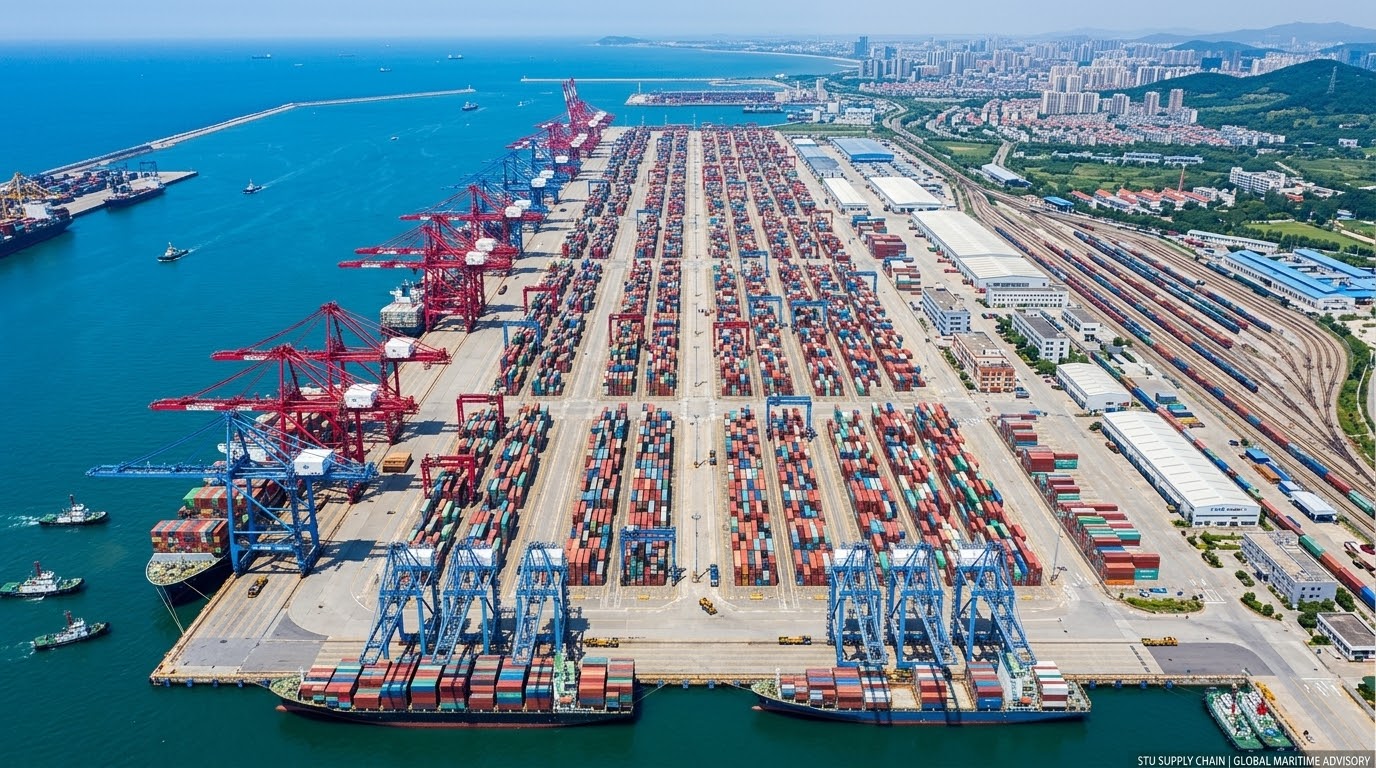
With multiple supply-side pressures compounding ahead of the September peak shipping window, Transpacific freight rates are virtually guaranteed to remain high, demonstrating strong upward momentum and extreme downside resistance.
1. September Rate Hikes Settled: Carriers Roll Out GRIs & Canal Surcharges
Major ocean carriers—including COSCO, CMA CGM, Hapag-Lloyd, Evergreen, and Yang Ming—have officially announced a new round of General Rate Increases (GRI) effective September 1:
USWC 40HQ Rates: Increasing across the board by $1,800 to $2,250 / FEU.
USEC 40HQ Rates: Experiencing even steeper hikes.
Panama Canal Surcharges (PCS/PCC): CMA CGM increased its adjustment fee to $500/TEU starting September 10 (up from $320/TEU); MSC updated its PCS surcharge effective September 12.
10k Milestone: Spot FAK reference prices from carriers like MSC for early September USEC routes are increasing by $400–$500/FEU, officially driving select 40-foot container quotes past the $10,000 threshold.
2. Triple Supply-Side Pressures: The Real Driver Behind the Rate Surge
This rate surge is not driven by runaway demand, but by a severe "triple-whammy" on global effective shipping capacity:
① Panama Canal Restrictions Hit USEC Hardest
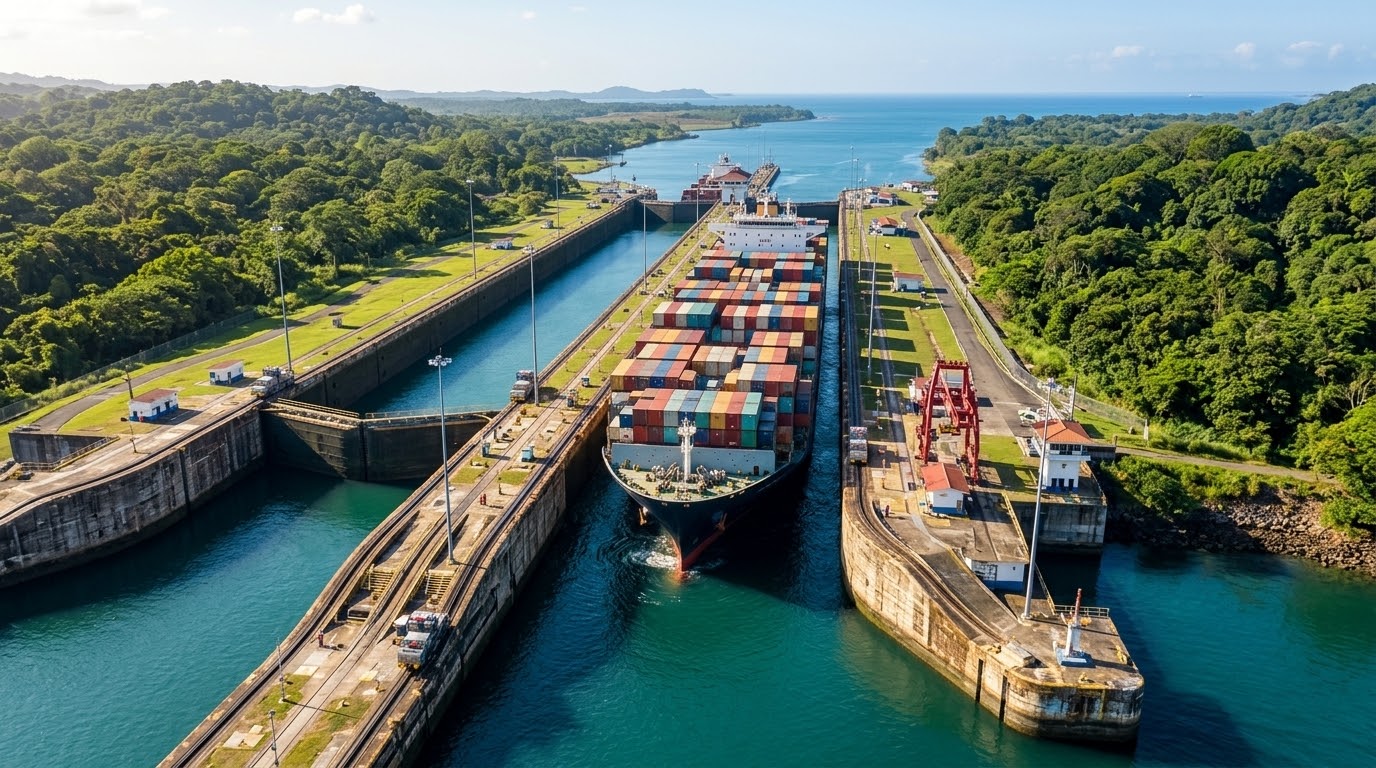
Driven by El Niño-induced severe drought, rainfall in the Panama Canal basin from May to August was 34% below historical averages, with inflow down 44%. The Panama Canal Authority (ACP) announced phased transit cuts:
Sept 4: Daily transits reduced from 36 to 34 vessels (9 Neopanamax, 25 Panamax).
Sept 15: Further reduced to 32 vessels (23 Panamax slots).
Maximum Draft: Lowered to 14.63m in early Sept and down to 14.48m by Oct.
Impact: The canal processes ~5% of global maritime trade, over 70% of which is destined for or originating from the United States. Reduced daily transits and lower vessel load factors directly squeeze effective capacity, extend turnaround times, and amplify rate inflation for US East Coast trade lanes.
② Carrier Capacity Discipline & Blank Sailings
Liners continue to artificially constrain supply. Across major East-West trade lanes, 49 sailings are scheduled for cancellation between Aug 24 and Sept 27—with Transpacific Eastbound routes accounting for 60% of all blank sailings. August capacity to USEC fell 9% MoM, while USWC capacity contracted by ~4% in Week 35. Coupled with recent typhoon disruptions in Asian ports, carrier schedules remain heavily compromised.
③ 1.7 Million TEU Trapped in Global Port Congestion
Global port bottlenecks, severe schedule delays, Red Sea reroutings, and weather disruptions are currently "swallowing" ~5% of global container fleet capacity—roughly 1.7 million TEU. This trapped capacity is equivalent to the combined fleet size of the world's 8th and 9th largest ocean carriers.
3. Peak Season Demand: Steady Growth, Not a Bubble
On the demand side, cargo volumes reflect standard peak season replenishment rather than explosive growth. While US-bound volumes are up 20%–30% YoY, the primary growth engine is cross-border e-commerce:
E-Commerce & Peak Sales Prep: TikTok Shop US launched its crucial 90-day Black Friday preparation campaign. Combined with Back-to-School and Halloween inventory build-ups, September represents the absolute peak shipping window before volumes stabilize in Q4.
Key Takeaway: Basic market demand alone does not support a $10,000/FEU freight level. The current pricing structure is almost entirely a product of supply-side contraction.
4. Market Outlook: High Volatility & Resistance to Rate Drops Through Year-End
Industry analysts agree that conditions for a sharp rate correction do not exist in the short term. Unlike the sudden spikes seen during the pandemic, current market rates are exhibiting high-level consolidation with strong downside resistance.
Rates are unlikely to experience a significant drop in Q3, and Panama Canal limitations are projected to persist into Q1 2027. Combined with late-year holiday restocking, high US ocean rates may linger straight through to the end of the year.
⚓ STU Supply Chain: Your First-Hand US Ocean Freight Experts
Navigating a volatile Transpacific market with $10,000 spot rates and widespread blank sailings requires direct access to carrier allocations and expert freight routing.
At STU Supply Chain, we have deeply specialized in US ocean freight booking for years. As a trusted, first-hand US trade lane expert, we provide direct carrier contracts, guaranteed space allocation, and customized logistics strategies to protect your supply chain from costly delays.
Looking for reliable ocean space and competitive shipping solutions from South China to North America? Explore our flagship service:
👉
Why Partner with STU Supply Chain?
Direct Tier-1 Space Guarantees: Strategic partnerships with major liners (COSCO, CMA CGM, EMC, MSC) ensure your containers get loaded even during strict GRI and blank sailing periods.
Flexible US Coast & Gulf Routing: Optimize your freight route between USWC, USEC, and US Gulf ports (such as Houston) to bypass Panama Canal delays and lower total landed costs.
End-to-End Execution: From factory pickup in Shenzhen/Guangdong to US customs clearance, port handling, and final-mile drayage, we handle every step seamlessly.
📩 Contact STU Supply Chain today to lock in competitive US shipping rates and secure your peak season space!

Comments
Post a Comment